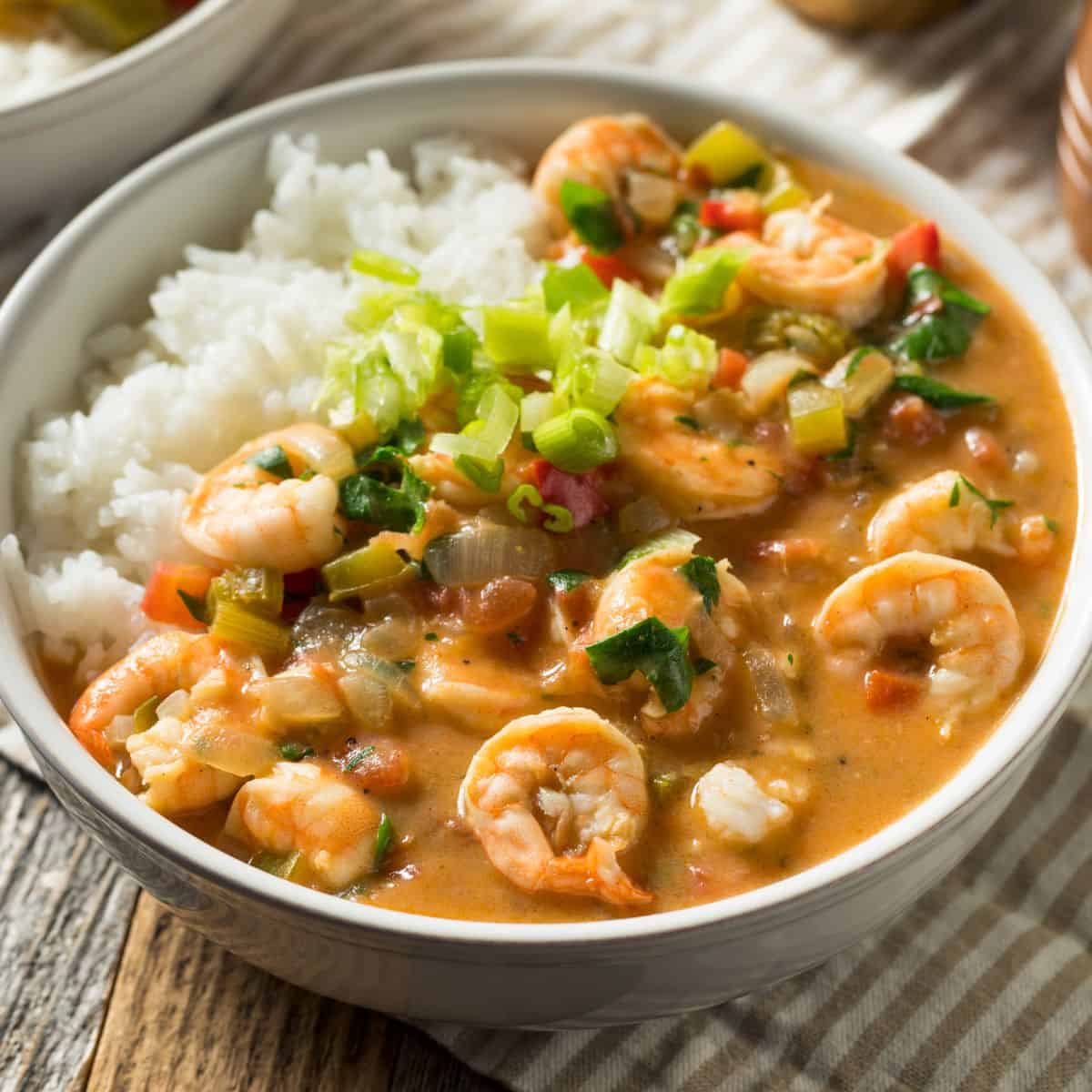
Authentic Louisiana Chicken & Shrimp Gumbo: A Flavor Guide
There's a reason Louisiana gumbo holds such a revered place in American culinary history. More than just a stew, it's a deeply soulful dish, a culinary embrace that tells stories of diverse cultures, fertile lands, and generations of home cooks. When it comes to classic pairings,
gumbo with chicken and shrimp offers a harmonious blend of land and sea, delivering a rich, complex flavor profile that is both comforting and exhilarating. This guide delves into the essence of authentic Louisiana chicken and shrimp gumbo, exploring its foundational elements, key ingredients, and the techniques that transform simple components into an unforgettable experience.
The Soul of Louisiana in a Bowl: What Makes Gumbo So Special?
Gumbo isn't merely a meal; it's the official state dish of Louisiana, a testament to its cultural significance and widespread love. Its roots are a fascinating tapestry, weaving together culinary traditions from European, African, and Native American influences. This rich heritage is evident in every spoonful, offering layers of savory depth, a subtle warmth, and that signature character that defines Cajun and Creole cooking.
At its heart, gumbo is a robust, slow-simmered stew, traditionally built upon a rich, dark roux and infused with a symphony of bold spices. The interplay of tender meats, fresh seafood, and aromatic vegetables creates a dish that is deeply comforting yet incredibly vibrant. It’s the kind of meal that gathers people, fills a home with an irresistible aroma, and leaves a lasting impression long after the last scoop of rice has soaked up its goodness. Whether you're seeking a hearty dish for a family gathering or a cozy night in, an authentic
gumbo with chicken and shrimp delivers a taste of Louisiana's heart and soul.
Building Blocks of Flavor: The Essential Ingredients for Chicken & Shrimp Gumbo
Crafting an authentic gumbo requires an understanding of its foundational elements, each playing a crucial role in developing that signature taste and texture.
The Art of the Roux: Gumbo's Deep Foundation
The roux is unequivocally the soul of any great Louisiana gumbo. This cooked mixture of fat (traditionally oil or lard) and flour is far more than just a thickener; it's the primary flavor base, contributing a deep, nutty essence and a beautiful dark hue that is characteristic of Cajun gumbo. Achieving the right roux color – a deep, dark chocolate brown, akin to an old penny – is a patient process that can take 20-40 minutes of constant stirring. This long cooking time toasts the flour, developing complex flavors that are irreplaceable. While some modern recipes opt for lighter roux or alternative thickeners for health reasons, a true, dark roux is non-negotiable for that authentic depth. For a deeper dive into this crucial step, explore
Mastering Chicken & Shrimp Gumbo: Dark Roux & Holy Trinity Secrets.
The Holy Trinity and Beyond: Aromatic Vegetables
After the roux, the "holy trinity" of Cajun and Creole cooking steps onto the stage:
- Onion: Provides a sweet, pungent base.
- Bell Pepper: Adds a fresh, slightly bitter, and aromatic quality.
- Celery: Contributes a subtle, earthy, and savory note.
These three vegetables are typically sautéed directly in the roux, absorbing its rich flavor and softening into a flavorful medley. Beyond the trinity, garlic is another indispensable aromatic, offering a savory backbone that enhances all other flavors. Okra, a traditional African-origin ingredient, adds a subtle earthy flavor and also acts as a natural thickener, contributing to the gumbo's characteristic texture. Tomatoes, though sometimes debated in traditional Cajun gumbo, are often included in Creole versions and can add a lovely acidity and depth to the broth.
Succulent Proteins: Chicken, Shrimp, and Smoky Accents
The choice of proteins defines the character of your gumbo. For an authentic
gumbo with chicken and shrimp, the following are key:
- Chicken Thighs: Bone-in, skin-on chicken thighs are often preferred for their richness. Cooking them on the bone allows them to impart maximum flavor and depth to the broth, resulting in fall-apart tender meat.
- Shrimp: Added towards the end of cooking, shrimp provides a delicate, briny contrast to the robust chicken and smoky roux. Its quick cooking time ensures it remains succulent and prevents it from becoming tough.
While our focus is on chicken and shrimp, many authentic gumbos also include Andouille sausage. This spicy, smoked pork sausage offers an incredible depth of smoky flavor that complements the other ingredients beautifully. If you choose to include it, slice it and brown it before adding the holy trinity to render some fat and infuse the pot with its signature aroma. While it adds distinct flavor, be mindful of its sodium content, especially if you're watching your intake.
Classic Louisiana Spice Profile
A true gumbo relies on a robust blend of seasonings to achieve its vibrant taste:
- Creole Seasoning: A pre-mixed blend usually containing paprika, cayenne, garlic powder, onion powder, and various herbs, this is your go-to for instant Louisiana flavor.
- Thyme: Adds an earthy, aromatic quality.
- Smoked Paprika: Enhances the smoky notes, particularly if not using Andouille sausage.
- Cayenne Pepper: Provides adjustable heat – use more or less to suit your preference.
- Bay Leaves: Essential for tying all the flavors together during the long simmer.
The liquid base is typically chicken broth, which along with the vegetables and seasonings, creates the rich, flavorful foundation of the stew.
Mastering the Simmer: Tips for Your Perfect Gumbo with Chicken and Shrimp
Making gumbo is a labor of love, but the process is incredibly rewarding. The beauty of this dish lies in its evolution as flavors meld and deepen over time.
The Simmering Secret: Patience and Depth
The journey begins with browning your chicken pieces, setting them aside, and then embarking on the roux. Once your dark roux is achieved, you’ll add the holy trinity and garlic, stirring until they soften and absorb the roux’s richness. This is where the magic really starts to happen as the vegetables infuse the roux with their aromatics.
Next, gradually whisk in the chicken broth, making sure to scrape up any flavorful browned bits from the bottom of the pot. Return the chicken to the pot, add your spices, tomatoes (if using), okra, and bay leaves, then bring it to a gentle simmer. This is the crucial stage for developing depth. A slow, steady simmer allows the flavors to marry, the roux to thicken the broth, and the chicken to become incredibly tender, practically falling off the bone. You’ll know the chicken is ready when the meat easily pulls away with a fork.
Finishing Touches and Serving Suggestions
The final steps are about finesse. Just before serving, stir in your raw shrimp. They cook quickly – usually in just 3-5 minutes, turning pink and opaque. Overcooking will make them tough, so watch them closely.
For a bright finish and an extra kick, a sprinkling of fresh green onions and a dash of hot sauce (like Tabasco or Crystal) are essential. And, of course, no gumbo is complete without being served generously over a scoop of fluffy white rice. The rice soaks up all the rich, flavorful broth, creating a perfectly balanced bite.
One of the great joys of gumbo is its adaptability. This dish typically cooks in one pot, making cleanup manageable, and can easily be scaled down for a smaller meal or up for a crowd. If you're looking for an easier approach without sacrificing flavor, consider exploring options like an
Easy One-Pot Chicken & Shrimp Gumbo: Low-Sodium & Full of Flavor. The combination of its rustic charm and indulgent flavors makes it perfect for both festive gatherings and quiet, cozy evenings.
Beyond the Pot: Gumbo's Cultural Legacy and Variations
Gumbo's enduring appeal lies not only in its taste but also in its ability to adapt while retaining its core identity. While this article focuses on the chicken and shrimp variety, countless regional and family variations exist, from seafood-only gumbos to those featuring duck, sausage, or even wild game. Some gumbos rely more heavily on filé powder (ground sassafras leaves) for thickening, especially in older traditions, while others champion okra. Each variation tells a unique story, passed down through generations.
In recent years, there's also been an increased focus on health-conscious adaptations. As hinted in the references, methods like toasting flour without fat for a lighter roux or carefully managing the amount of high-sodium ingredients like Andouille sausage can help create a delicious gumbo that aligns with dietary needs, proving that authenticity doesn't always mean rigid adherence to every single traditional detail, but rather capturing the spirit and flavor profile.
Conclusion
Authentic Louisiana
gumbo with chicken and shrimp is more than just a recipe; it’s an culinary adventure, a journey through flavor and history. From the patient stirring of the dark roux to the fragrant blend of the holy trinity and the succulent combination of tender chicken and juicy shrimp, every step builds towards a deeply satisfying experience. This hearty, soulful dish embodies the spirit of Louisiana – warm, welcoming, and bursting with life. So, roll up your sleeves, gather your ingredients, and prepare to create a truly unforgettable meal that will transport your taste buds straight to the heart of the Bayou.